Sailing and Certification Adventure — Grenada
October 25 – Nov 1, 2026Log sailing days. Explore world-class waters. Earn your NauticEd Bareboat Charter Master and/or SLC certification.



1 Instructor / 2 Students
8 Day Trip
2 Countries
A Real Educational Charter Experience — From Day One
The education begins long before we cast off the dock. In order to give you the most authentic and empowering experience possible, each student:
- Pays their portion of the boat directly to the charter company
- Participates in all pre-charter logistics and preparation
- Shares responsibility for onboard expenses throughout the trip
This includes (is not included in cabin price):
- Provisions
- Mooring balls
- Customs and immigration fees
- Instructor’s fee
- Gratuities (as you see fit)
Why? Because if you’re preparing to charter your own vessel, you need to understand the full scope of what that entails — financially, logistically, and operationally.
You’re not here to impress an instructor — you’re here to step fully into the role of skipper.
This is not a retreat, or a vacation with a little sailing sprinkled in.
This is a hands-on, responsibility-forward, real-world charter experience designed for sailors who are preparing to charter their own boat soon.
If your goal is confidence, competence, and certification — this trip is built for you.
During our time in Grenada and the Grenadines, you will:
- Log qualifying sailing days
- Practice real-time decision-making
- Rotate leadership roles onboard
- Handle docking, anchoring, and passage planning
- Build confidence managing crew and vessel
Participants may progress toward or complete:
- NauticEd Bareboat Charter Master
- NauticEd Skipper Level Certification (SLC)
Every mile sailed counts toward your goals.
Have Questions?
Send me a message or schedule a time for a call >>
$250 Holds Your Cabin
See details below- A $250 deposit holds your private cabin while you pay your portion of the boat deposit (approximately $1,200) within 48 hours to confirm your booking.
- The remaining balance and instructor fee will be invoiced on August 15, 2026.
Who This Trip Is For
- Sailors actively working toward chartering independently
- NauticEd students ready to log real-world days (it is not required to be a NauticEd student)
- Future skippers who want responsibility, not just instruction
- Crew who want to deeply understand the operational side of chartering
If you want to walk away ready to confidently book and manage your own charter — this is your training ground.
What You Leave With
√ Logged sailing days
√ Increased leadership confidence
√ Real charter management experience
√ Progress toward or completion of NauticEd certifications
√ A clear understanding of how to run your own bareboat adventure
This trip is about stepping into the role — not just practicing the maneuvers. You’re not just learning to sail better, you’re learning to charter well.
Pre-Trip Crew Meetings (3 Total)
We don’t just show up and hope for the best, we run three structured crew meetings prior to departure to ensure everyone is prepared, aligned, and confident.
- Crew Meeting #1 – Expectations & Roles
Trip overview, certification pathways, leadership rotation, and charter responsibilities. - Provisioning Coaching Session
A dedicated meeting focused entirely on provisioning:- Budgeting
- Menu planning
- Dietary considerations
- Coordinating shared costs
- Final Crew Meeting – Logistics & Readiness
Travel coordination, documentation, customs prep, safety review, and final Q&A.
By the time we arrive in Grenada, you’ll already be operating like a charter team.
The Sailing Grounds: Why Grenada
Grenada offers:
- Consistent trade winds
- Protected anchorages
- Offshore day-passage opportunities
- Check-in and Check-out between countries
- Clear turquoise water
- Access to Carriacou, Tabago Cays, and surrounding islands
- Vibrant Caribbean culture and harbors
It’s the perfect classroom — and an unforgettable place to sail.
Proposed Sailing Itinerary
This is a proposed itinerary to give you an idea of the route, stops, and skill-building opportunities. All plans are flexible and may change based on weather, crew decisions, or timing — the goal is a safe, enjoyable, and rewarding sailing experience for everyone.
Day 1 - Arrival Day - Welcome to Grenada! Arrival & Embarkation
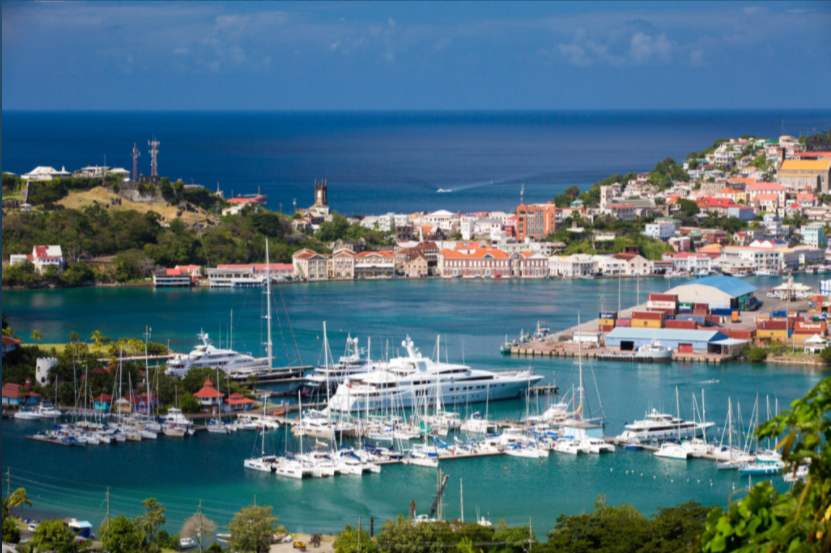
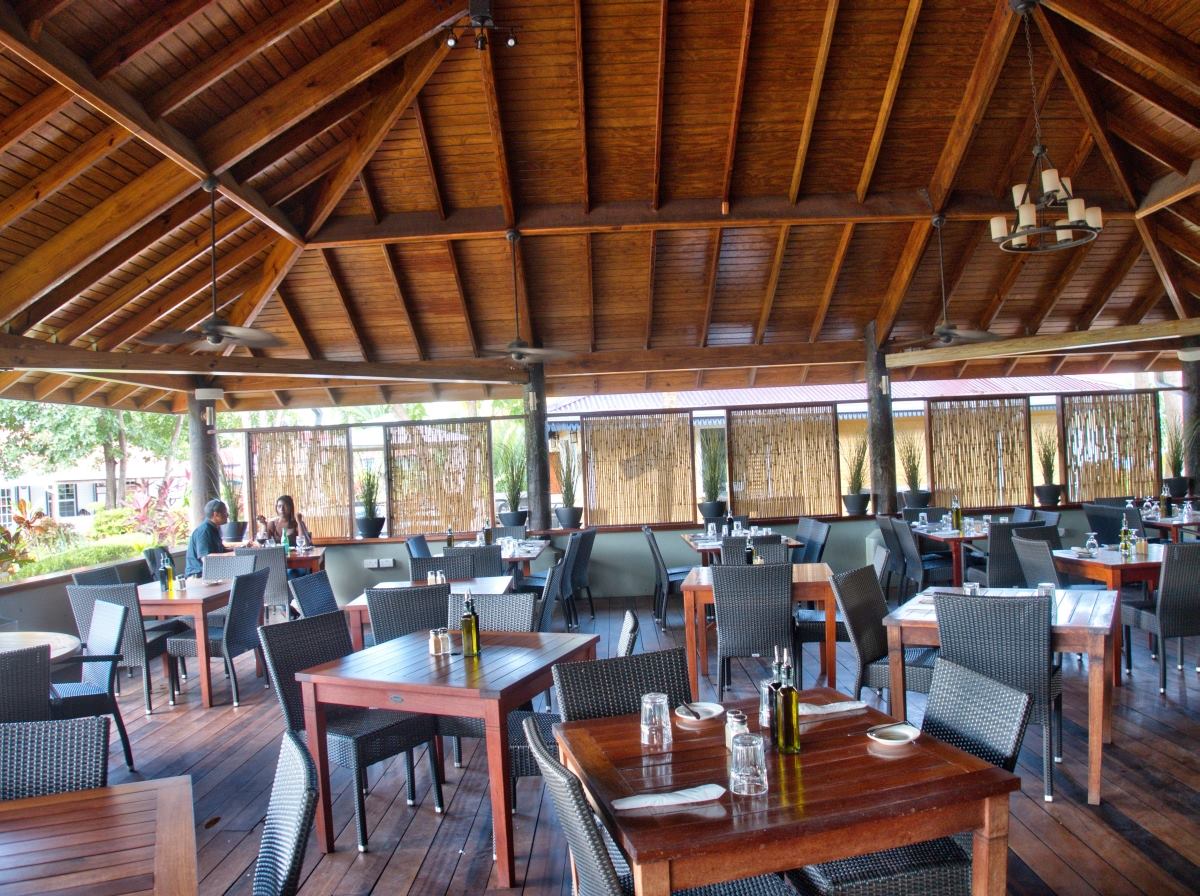
Your Grenada sailing adventure begins as you clear customs and take a quick taxi to Port Louis Marina on the southwest coast. Warm island breezes and the gentle sway of the boats will welcome you as our crew helps you get settled aboard your yacht—your home for the week. Grab a welcome drink, get comfortable, and soak up the excitement for the journey ahead in the "Spice Isle"!
Day 1 Skill Highlights:
-
Boat Systems Review: Get familiar with all the boat’s systems and check for any technical issues before sailing.
-
Luggage Management & Stowing: Learn to efficiently stow your gear in a marine environment.
-
Galley Orientation: Get acquainted with the boat’s kitchen facilities.


Day 2 – Sailing North to Sandy Island
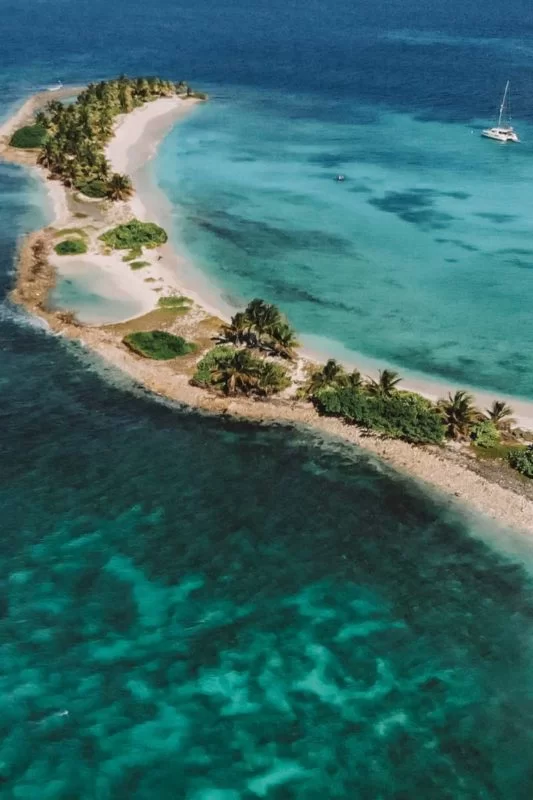
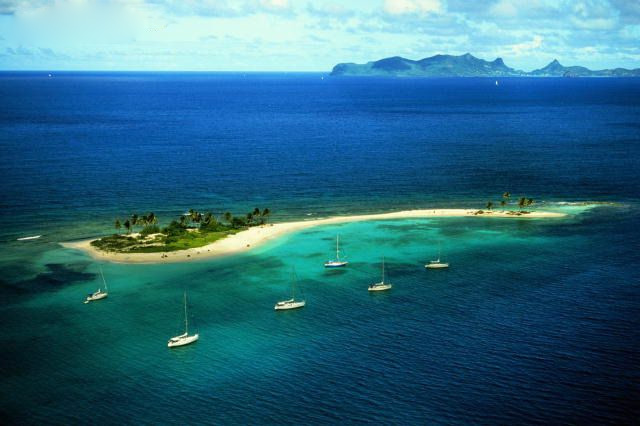
Day two kicks off early as we set sail from Port Louis Marina for our 35+ nautical mile passage north to Carriacou. Before leaving, we’ll make sure the boat is fully ready and take care of any maintenance from yesterday’s checks. We can also complete our Grenada check-out using SailClear before we depart, giving you hands-on experience with customs procedures. Along the way, we’ll navigate around a hidden underwater obstruction just north of the island, then drop anchor at the picturesque Sandy Island for a magical evening under the stars.
Day 2 Skill Highlights:
-
Customs & Immigration: Complete a Grenada check-out using SailClear.
-
Navigation & Route Planning: Practice real-world route planning and course-keeping.
-
Sail Trim: Adjust sails for efficiency and speed over 35+ nautical miles.
-
Meal Preparation Underway: Learn to safely prepare lunch in a moving galley.
-
Anchoring: Drop and secure the anchor for a calm night at Sandy Island.
-
Dinghy Beaching: Practice safe and effective dinghy landings and departures.
-
Cooking at Anchor: Prepare and cook dinner aboard in the tranquil anchorage.

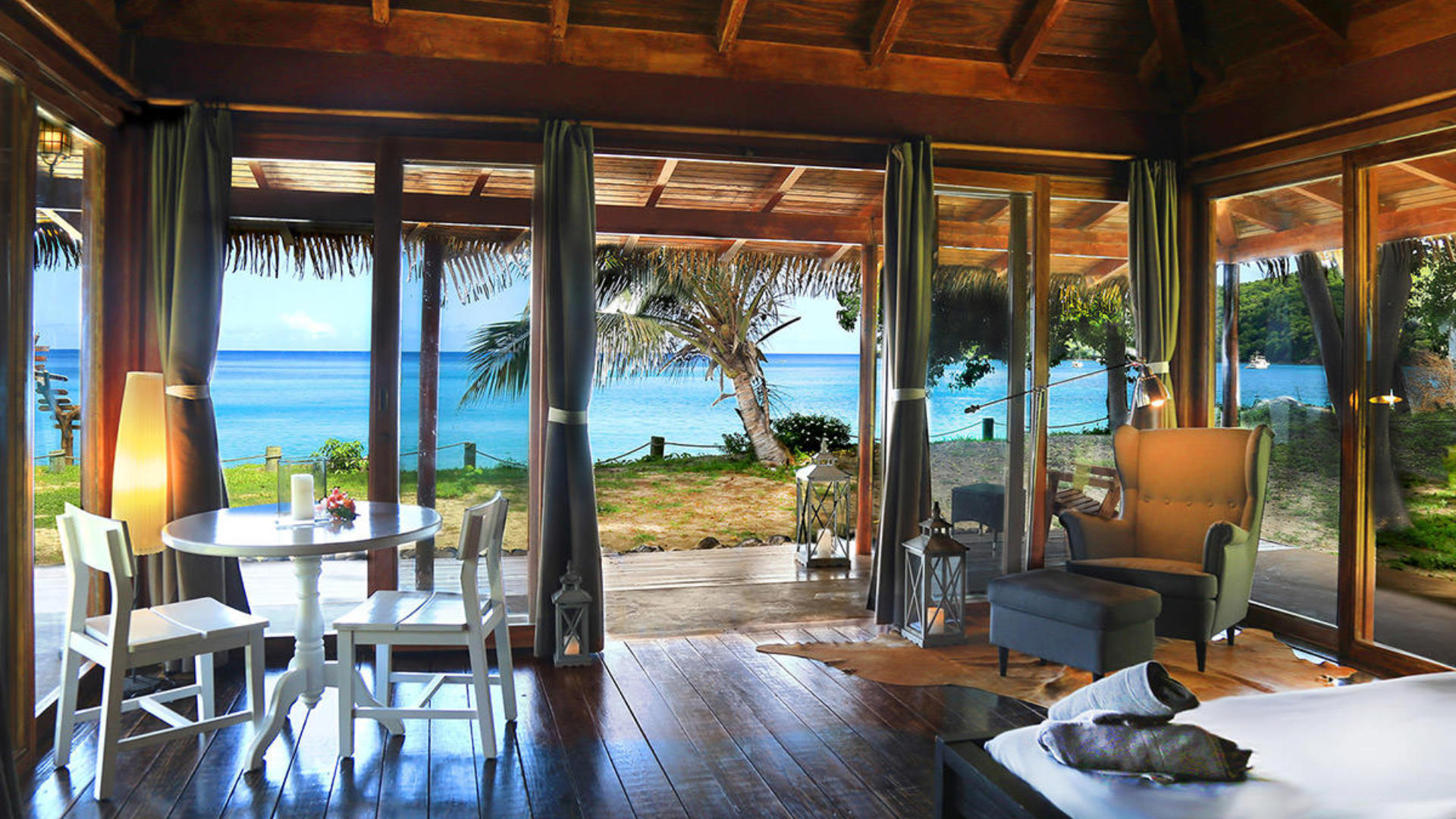
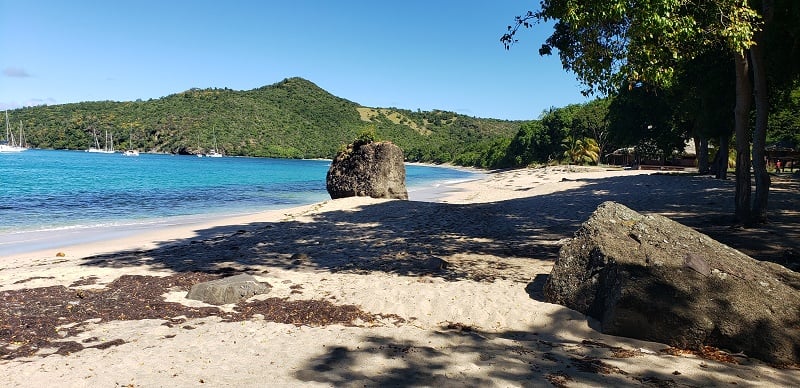
Day 3 - Snorkeling Paradise & Welcoming St Vincent and the Grenadines
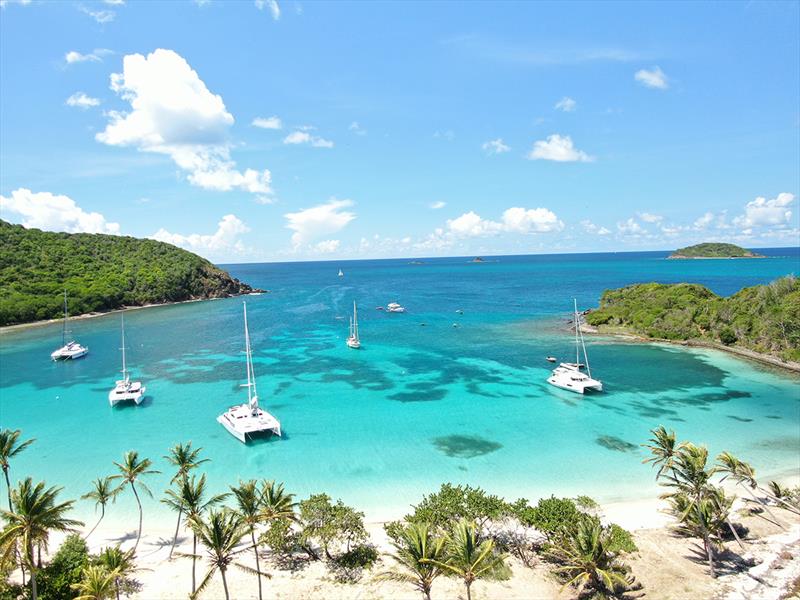
Wake up to the stunning beauty of Sandy Island and start the day snorkeling the vibrant reef just offshore. From there, we’ll either sail north to Chatham Bay to clear into St. Vincent and the Grenadines and spend the night practicing dinghy handling and team coordination, or head to Clifton Harbour on Union Island to complete customs and immigration via SailClear before continuing to Salt Whistle Bay in Mayreau. Along the way, you’ll practice real-world charter skills like passage planning, international check-in procedures, mooring ball pickup, courtesy flag protocol, and safe dinghy operations—exactly the hands-on experience future bareboat skippers need.
Skill Highlights:
-
Customs & Immigration: Complete check-in procedures using SailClear.
-
Passage Planning & Navigation: Plan and execute a multi-leg sail safely.
-
Mooring Ball Pickup: Practice teamwork and precision in securing the boat.
-
Dinghy Operations: Learn safe launching, beaching, and crew transfers.
-
Courtesy Flags & International Etiquette: Understand proper protocol while sailing abroad.
-
Team Coordination: Build leadership and communication skills onboard.
Day 4 – Sailing to the Tobago Cays
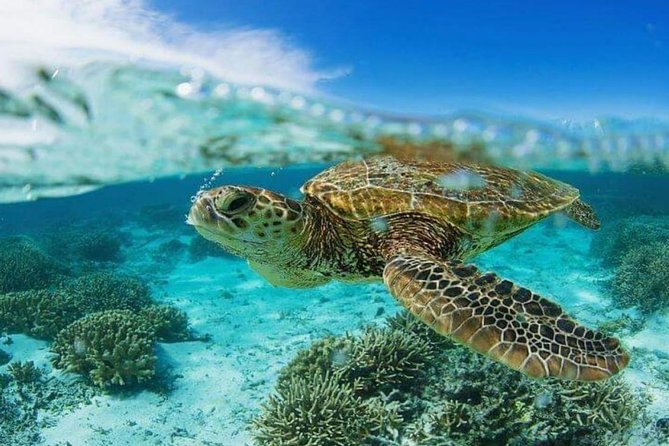
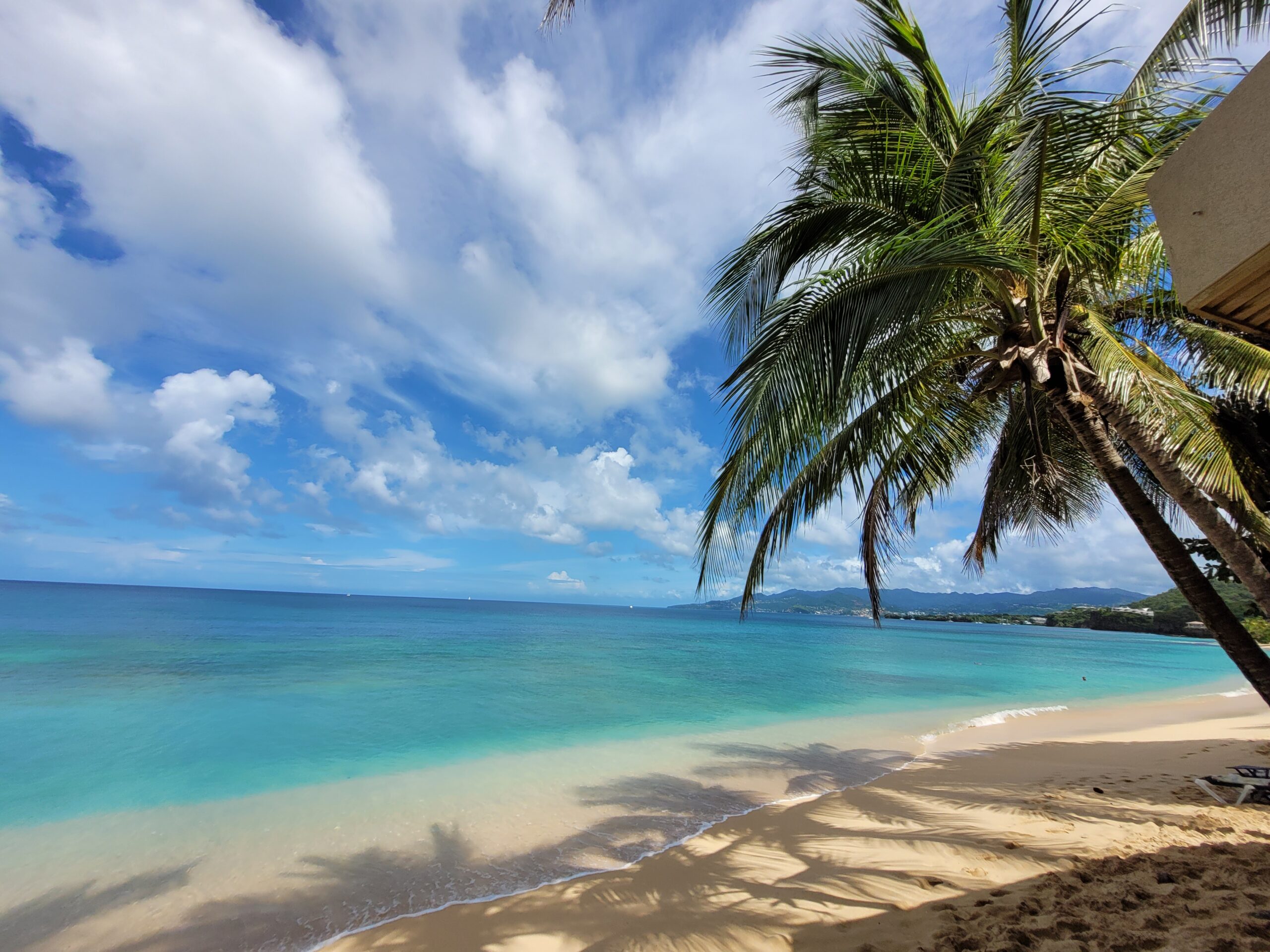
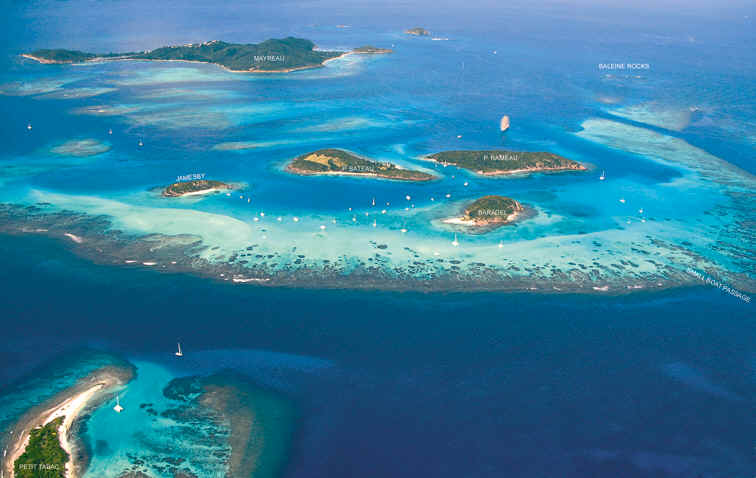
Day four begins with practical sailing skills practice right in the bay next door to Salt Whistle, a calm and beautiful setting to hone your abilities. After our session, we’ll set sail for what many call one of the most amazing spots on earth: the Tobago Cays. We’ll drop anchor in its crystal-clear waters, offering an incredible chance to swim with an abundance of turtles in their natural habitat — an unforgettable experience! In the evening, you’ll have the option to join a lively beach BBQ on one of the pristine islands, enjoying delicious food under a canopy of stars.
Day 4 Skill Highlights:
-
Sail Planning: Review the day’s route, weather conditions, and strategy for entering the reef-heavy Tobago Cays.
-
Navigation: Practice precision navigation through tight passages and chart reading in a reef-rich environment.
-
Anchoring: Choose a safe location and securely set the anchor for the night.
-
Marine Park Etiquette: Learn responsible interaction with marine life and how to respectfully observe sea turtles.

Day 5 – Navigating Reefs, Optional Lunch Sail & Yacht Club Stop
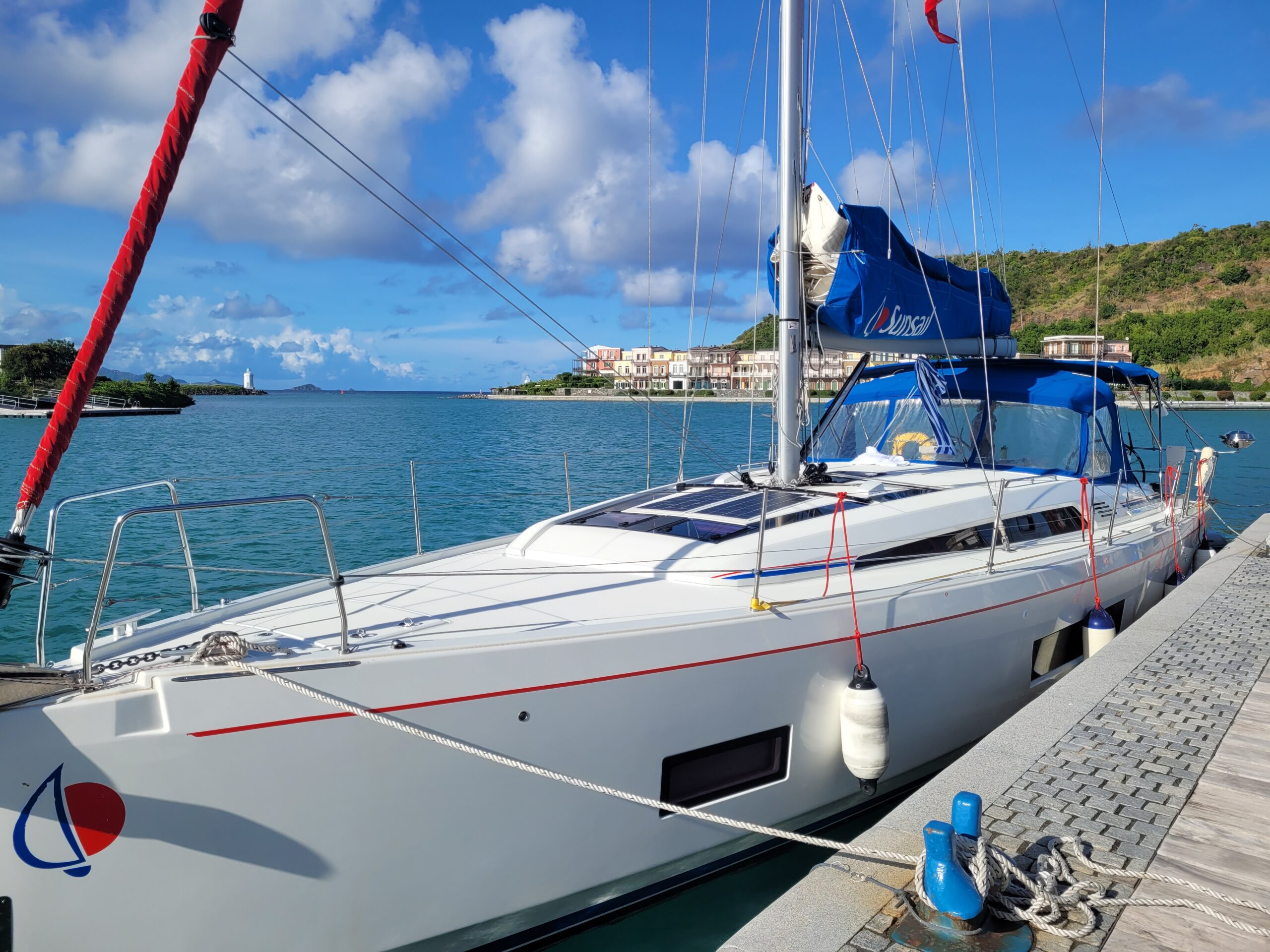
Day five kicks off with the exciting challenge of navigating out of the reef-heavy Tobago Cays, requiring precision and teamwork. Once clear, we’ll set sail for South Glossy Bay on Canouan Island, with the option to enjoy an extended lunch sail in a beautiful bay along the way. Our destination is the Sandy Lane Yacht Club, a true haven for sailors. Here, we can indulge in excellent restaurants, take real showers, restock provisions, and practice docking in a supportive environment. It’s a perfect blend of practical learning and well-deserved comfort.
Day 5 Skill Highlights:
-
Sail Planning: Review the route out of the Cays, consider the optional lunch stop, and plan the approach to Canouan based on conditions.
-
Navigating Reef-Heavy Passages: Practice identifying safe channels, maintaining situational awareness, and precise boat handling.
-
Docking & Maneuvering: Hands-on practice at Sandy Lane Yacht Club, focusing on teamwork, communication, and managing wind, current, and prop walk.
-
Dinghy Operations: Safe launches, beaching, and crew transfers both at the dock and back at the boat.
-
Provisioning Strategies: Learn efficient ways to restock and organize supplies for life onboard.


Day 6 – Sailing South & Essential Skills Practice
Today we leave St. Vincent and the Grenadines and begin our journey back to Grenada. Before departing Canouan, we’ll check that both boats have sufficient fuel, water, and provisions—an important part of re-provisioning practice for real-world chartering. At Sandy Lane Yacht Club, we’ll complete our check-out from SVG before heading back into Grenadian waters. Our first stop is Carriacou, where we’ll complete customs and check-in procedures for Grenada. Once cleared, we’ll sail to the beautiful Anse la Roche, a perfect bay to practice essential cruising skills, including safely beaching a dinghy to access shorelines. As evening falls, we’ll enjoy a beach BBQ at Tim’s Sunset Beach Bar & Restaurant, savoring delicious food under the stars and experiencing true Grenadian hospitality.
Day 6 Skill Highlights:
-
Sail Planning & Passage Management: Plan the route south and manage resources for a multi-leg journey.
-
Re-provisioning Practice: Assess and manage fuel, water, and supplies before departure.
-
Customs & Immigration: Hands-on experience checking out of SVG and back into Grenada.
-
Dinghy Beaching: Practice safe and efficient dinghy landings and departures to access shorelines.
-
Team Coordination & Onboard Operations: Apply leadership, communication, and crew management skills.
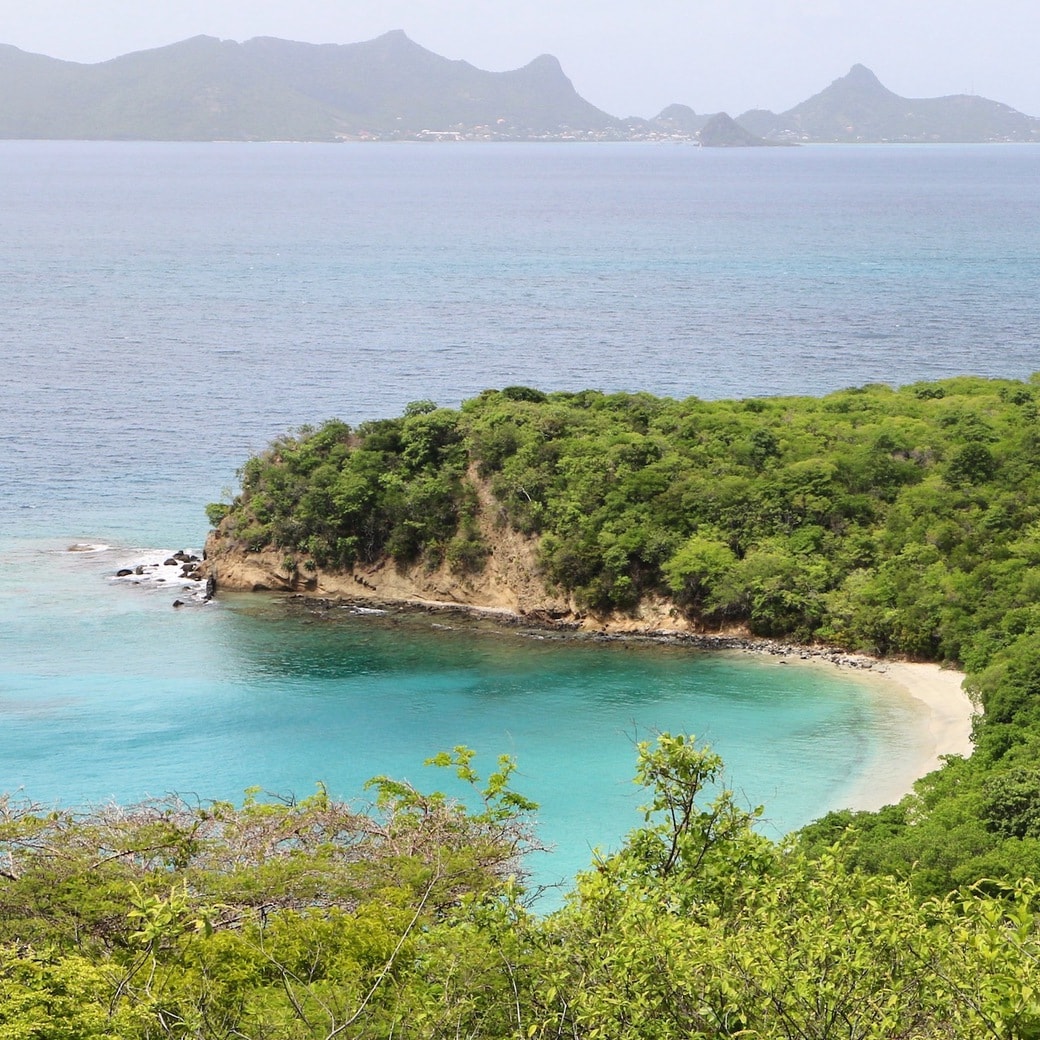


Day 7 – The Final Leg & Sail Trim Practice
Our penultimate day takes us on the final long leg back toward Port Louis Marina. During the morning Sail Plan meeting, we’ll decide as a group whether to sail straight to the marina or spend one last night at a nearby bay. We’ll get underway early, just before dawn, to experience a calm, pre-daybreak start and make the most of Grenada’s winds. This long 35+ nautical mile passage is perfect for honing your sail trim skills and practicing extended watchkeeping, navigation, and passage management. As we near base, we’ll enjoy the flexibility to either relax at a final anchorage or make a short, easy sail into the marina, wrapping up the week at a comfortable pace.
Day 7 Skill Highlights:
-
Sail Planning & Decision-Making: Participate in group planning for overnight stops and route choices.
-
Optional Stops Research: Evaluate potential stops like Isle du Rhone or Molinere Bay, considering location, conditions, and safe access.
-
Pre-Dawn Underway: Experience a calm, early morning start with enhanced navigation awareness and watchkeeping.
-
Long Passage Navigation: Practice chart work, course management, and keeping a steady watch over 35+ nautical miles.
-
Extended Sail Trim: Refine sail shape and efficiency across multiple points of sail during a long passage.
-
Passage Planning Review: Apply lessons from previous days to manage a longer journey, reinforcing planning and decision-making skills.

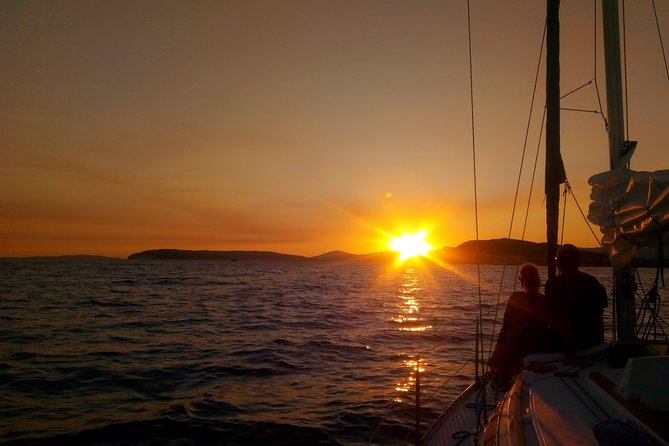

Day 8 – Disembarkation Day
Our Grenada sailing adventure concludes today, with disembarkation by 11:00 AM. If we spent the final night at a nearby anchorage, we’ll allow plenty of time to sail back into Port Louis Marina, refuel, clean, and pack up the boat. Whether arriving directly from the anchorage or the marina, we’ll ensure the yacht is returned in excellent condition. The crew will assist with luggage and preparations for onward journeys, leaving you with lasting memories from an unforgettable week exploring the Spice Isle.

Minimum Sailing Skills Required
To ensure this is a productive, confidence-building experience for everyone onboard, participants should arrive with a solid sailing foundation. This trip is designed to elevate your skills into real-world charter readiness — not teach first-time basics.
Ideal candidates will be comfortable with:
-
Sail Handling: Hoisting, trimming, reefing, and dousing sails on various points of sail
-
Helm Control: Maintaining course under sail and power in changing conditions
-
Docking & Close-Quarters Maneuvering: Basic approaches and departures from docks and mooring balls
-
Anchoring Fundamentals: Understanding proper anchor setting and scope
-
Navigation Basics: Chart reading, plotting positions, cardinal markers, and Rules of the Road
-
Essential Knots: Cleat hitch, bowline, clove hitch, sheet bend, and basic line management
-
Crew Communication: Clear onboard communication and situational awareness
-
MOB Awareness: Familiarity with person-overboard recovery procedures
If you’re already sailing comfortably as crew and are ready to step into greater responsibility at the skipper level, you’re in the right place.