Women‑Only BVI Sailing Immersion
June 1-7, 2026Build real cruising confidence — steering, navigating, anchoring, provisioning, and thriving at the helm in real conditions. This is a hands‑on sailing week designed for women who want more than a casual vacation — it’s for those ready to understand how a cruising sailboat truly operates and gain the confidence that only comes from doing it yourself.

1 Instructor / 2 Students per boat
June 1-7, 2026
7 Days
Caribbean Sailing
What Makes This Trip Special
This isn’t a passive “boat ride” — it’s a working charter experience. You won’t just watch others sail; you’ll be part of a real cruising crew, participating in every aspect from route planning to sail trim, mooring ball pick‑ups, and provisioning for the week’s meals. You’ll live aboard a modern monohull, gaining the practical, real‑world experience that builds confidence and competence on the water.
We keep the program intentionally small: two monohulls sail in tandem, each with an expert instructional captain and just two students per boat. This format means maximum time at the helm, extensive one‑on‑one guidance, and your own private cabin for rest and reflection after a full day on the water.
This is your chance to take the wheel and run the boat — supported every step of the way
This is not a retreat, or a vacation with a little sailing sprinkled in.
This is a hands-on, responsibility-forward, real-world sailing experience designed for women sailors who want to level up their confidence and skills.
If your goal is confidence, competence, and certification — this trip is built for you.
During our time in the British Virgin Islands, you will:
- Log qualifying sailing days
- Practice real-time decision-making
- Learn and practice maneuvering under power skills, picking up mooring balls, anchoring, and day-passage planning
- Build confidence managing crew and vessel
Participants may progress toward or complete:
- NauticEd Skipper Rank Certification (note: all online coursework must be completed prior to the trip)
Every day sailed counts toward your goals.
Have Questions?
Send me a message or schedule a time for a call >>
SOLD OUT!
Deposit Books Your CabinLet Me Know About Future Trips!
Who This Trip Is For
This week is perfect if you:
-
Have some prior sailing experience and want to build cruising confidence in a supportive environment.
-
You're ready to take part in an actual bareboat-style charter experience, not just observe.
-
Want to develop practical skills like anchoring, navigation, sail trim, and mooring ball handling.
-
Love the idea of teamwork, shared decision‑making, and real responsibility onboard.
This trip is not ideal for complete beginners with no prior sailing exposure or for those hoping for a vacation‑only charter.
What You Leave With
√ Logged sailing days in ideal line-of-sight conditions
√ Increased confidence at the helm
√ Foundational charter knowledge and crew skills
√ Progress toward NauticEd Skipper certification (if desired)
√ A clearer understanding of what it takes to charter in the future
This trip is about building the skills, awareness, and confidence that make independent chartering possible. You’re not just learning the mechanics — you’re learning how it all fits together.
Pre-Trip Crew Meetings (3 Total)
We don’t just show up and hope for the best, we run three structured crew meetings prior to departure to ensure everyone is prepared, aligned, and confident.
- Crew Meeting #1 – Expectations & Roles
Trip overview, certification pathways, leadership rotation, and charter responsibilities. - Provisioning Coaching Session
A dedicated meeting focused entirely on provisioning:- Budgeting
- Menu planning
- Dietary considerations
- Coordinating shared costs
- Final Crew Meeting – Logistics & Readiness
Travel coordination, documentation, customs prep, safety review, and final Q&A.
By the time we arrive in Grenada, you’ll already be operating like a charter team.
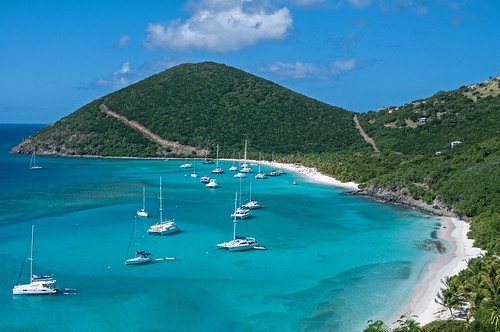
The Sailing Grounds: Why BVI
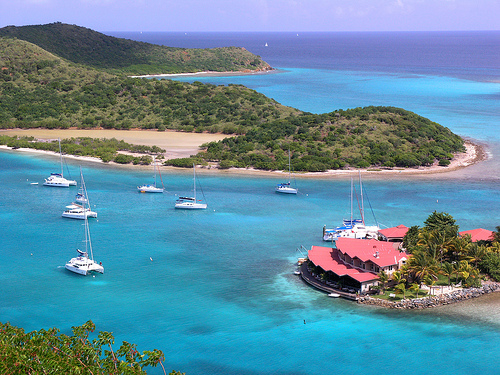
The British Virgin Islands offer:
Consistent trade winds
Line-of-sight sailing between islands
Protected anchorages and easy navigation
Short day passages with real-world challenge
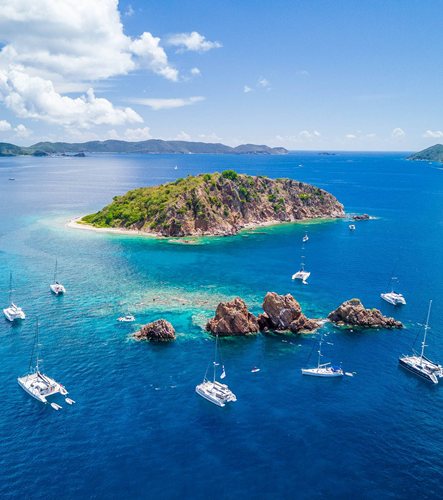
World-famous stops like The Baths, Jost Van Dyke, and Anegada
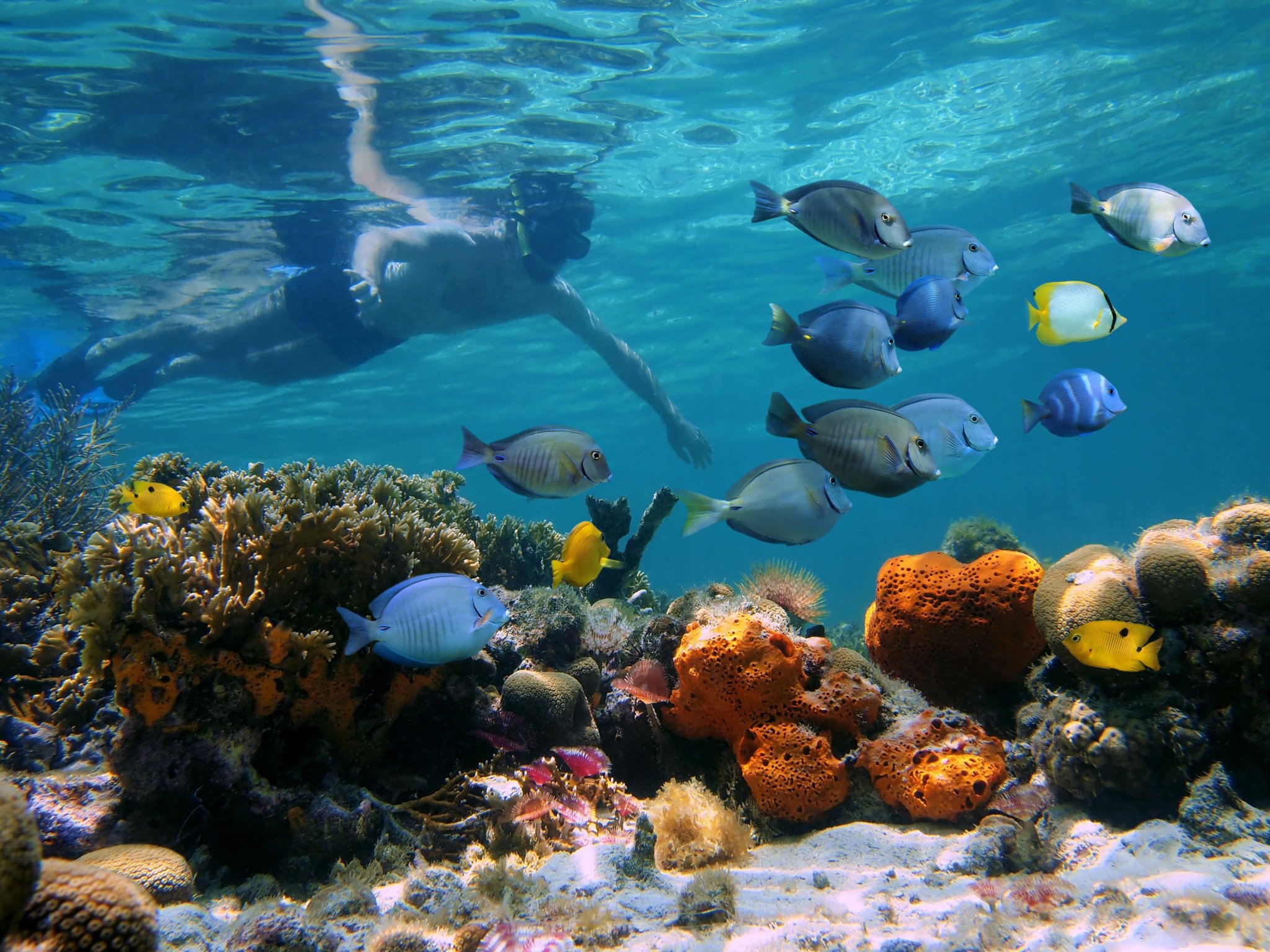
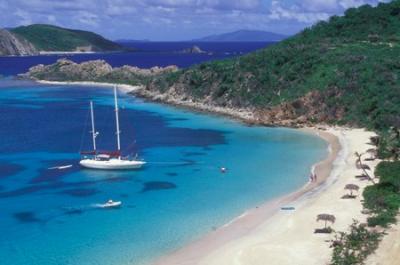
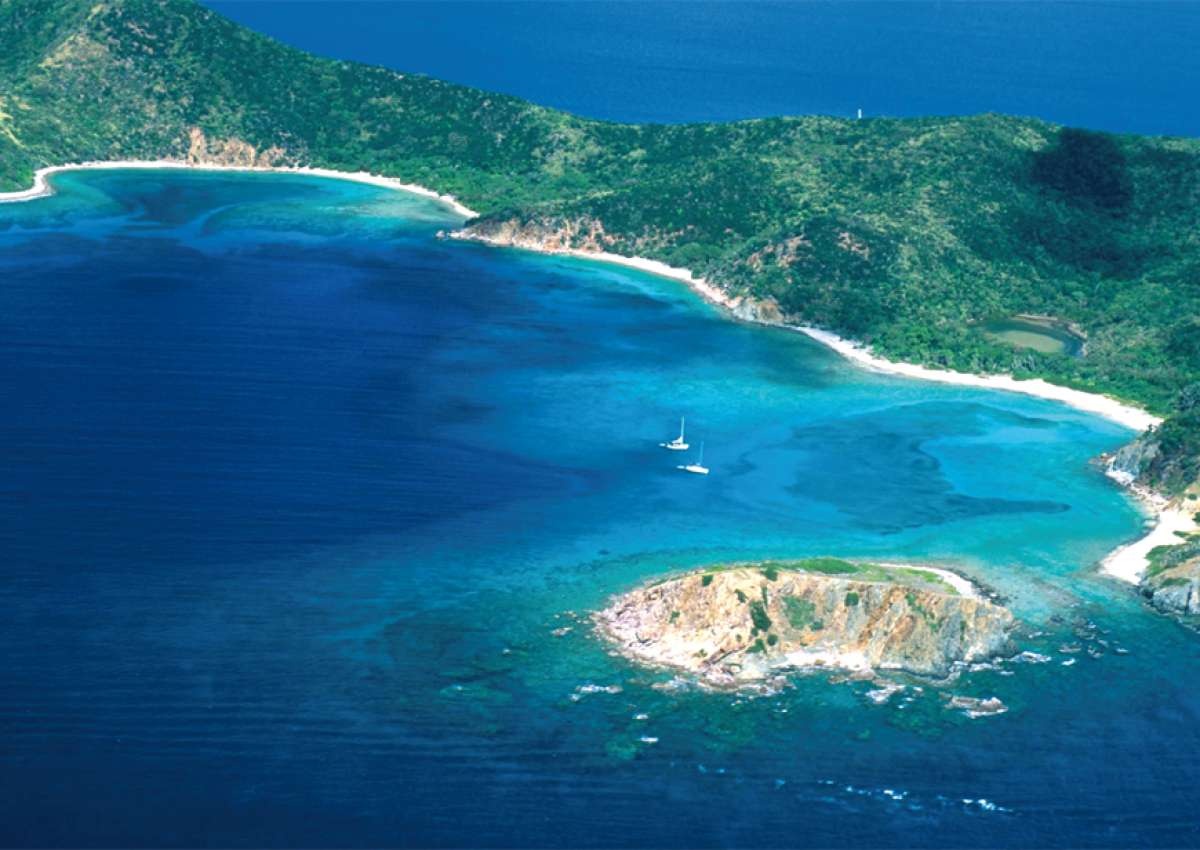
Clear turquoise water and vibrant coral reefs
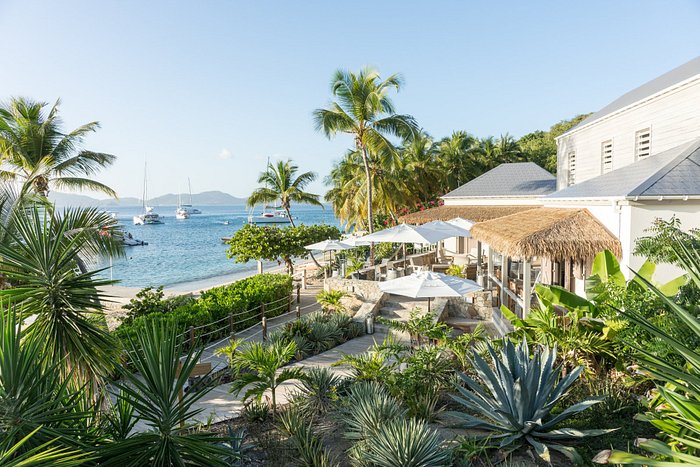
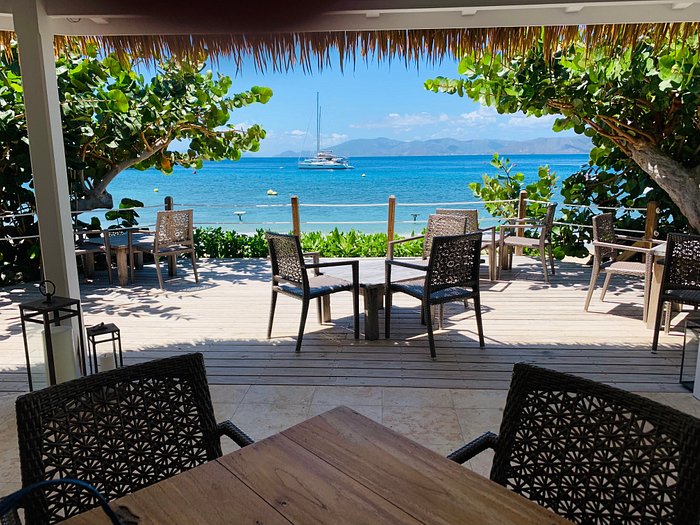
Lively beach bars and classic Caribbean harbors
It’s the perfect classroom — and an unforgettable place to sail.
Let Me Know About Future Trips!
Proposed Sailing Itinerary
This is a proposed itinerary to give you an idea of the route, stops, and skill-building opportunities. All plans are flexible and may change based on weather, crew decisions, or timing — the goal is a safe, enjoyable, and rewarding sailing experience for everyone.
Day 1 – Arrival Day at Moorings Marina
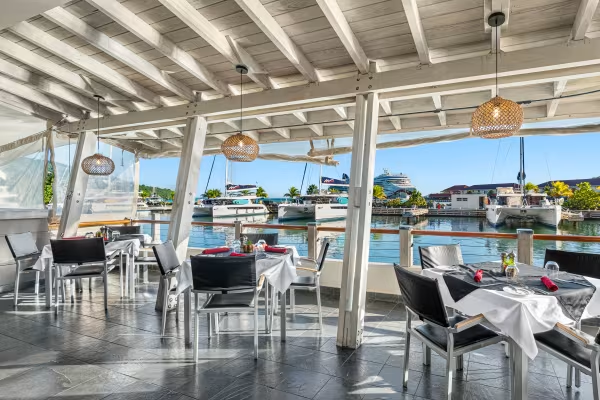
3:00 PM – Arrival & Meetup: We’ll gather at the poolside restaurant/bar at Moorings Marina to meet the crew, review the afternoon schedule, and finalize provisioning. This ensures the boat and team are ready for the week ahead.
Welcome Drinks: Raise a toast with your fellow sailors and set the tone for a fun, collaborative week on the water.
6:00 PM – Group Dinner: Enjoy a relaxed dinner ashore, share first impressions, and start building camaraderie with your crew.
Evening – Overnight in Marina: Spend the night aboard the boat in the marina, resting and preparing for the first day of sailing.
Day 1 Skill Highlights:
-
Team Introduction & Crew Roles: Get to know your crew and understand responsibilities aboard.
-
Provisioning Overview: Learn how to organize and plan supplies for the week.
-
Boat Familiarization: Begin familiarizing yourself with the yacht’s layout, systems, and basic operations.
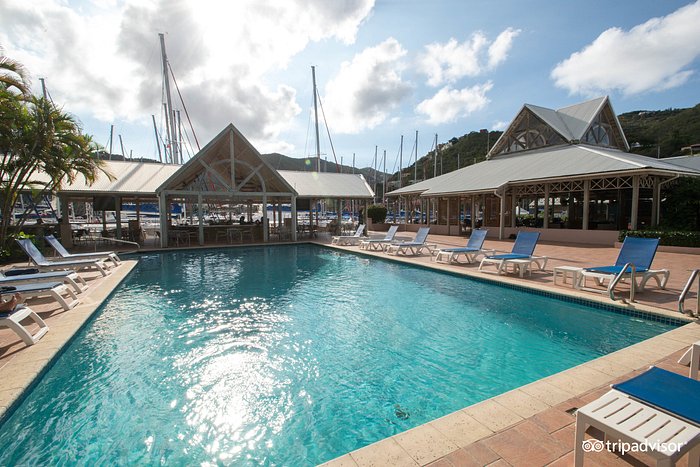
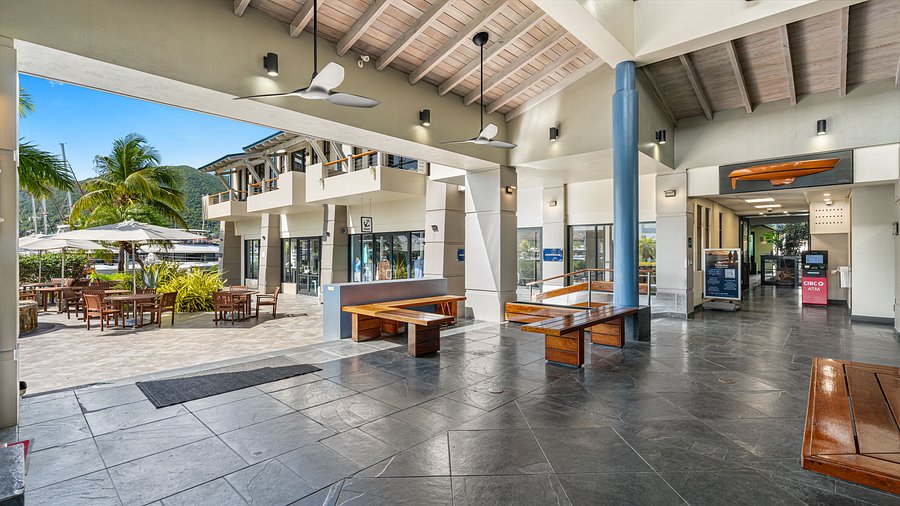
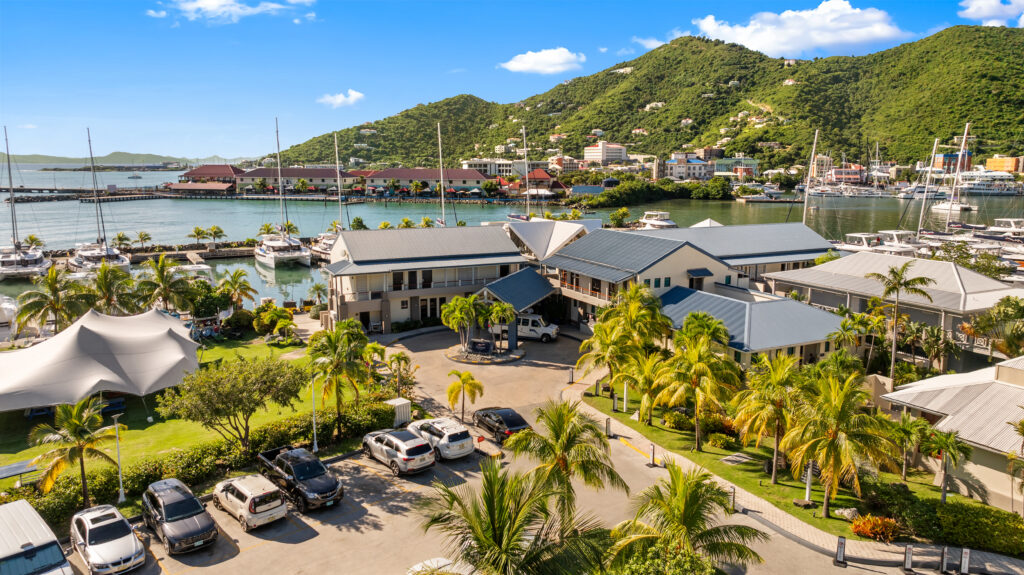
Day 2 – Sir Francis Drake Channel → Leverick Bay
8:00 AM – Sail Plan Meeting: Start the day with a collaborative sail plan meeting, reviewing weather, route, timing, and crew roles. This helps build confidence and sets the tone for decision-making on the water.
10:00 AM – Depart the Marina: After a light breakfast and final prep, we’ll set off across the Sir Francis Drake Channel, using the passage to warm up helm skills and get comfortable with the boat.
Midday – Skills Practice at Leverick Bay: Spend time practicing essential cruising skills, including handling the boat under power, picking up a mooring ball, and building overall confidence in maneuvering.
Evening – Saba Rock or Bitter End Yacht Club: Pick up a mooring ball and enjoy a relaxing evening ashore. Explore the local amenities, unwind, and reflect on a productive day on the water.
Day 2 Skill Highlights:
-
Sail Planning & Decision-Making: Review weather and route, assign crew roles, and plan the day.
-
Helm & Boat Handling: Gain confidence steering under sail and power.
-
Mooring Practice: Learn to pick up a mooring ball safely and efficiently.
-
Team Coordination: Practice clear communication and crew teamwork during maneuvers.
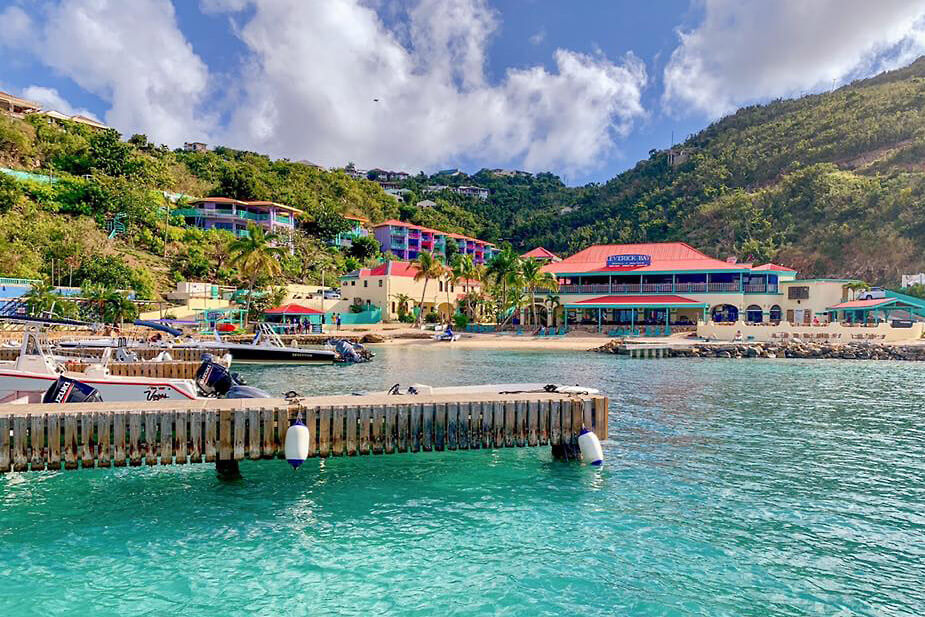
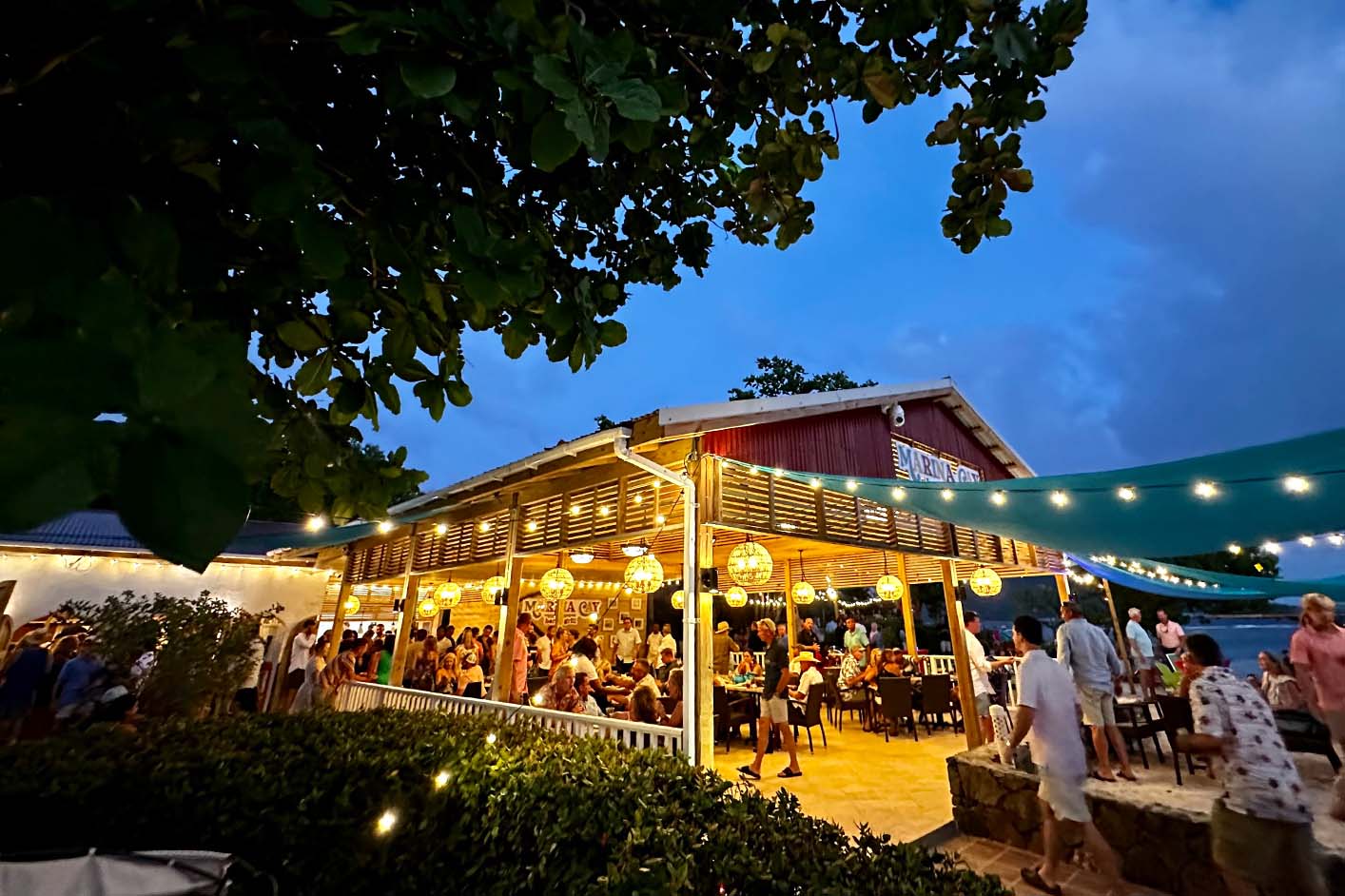
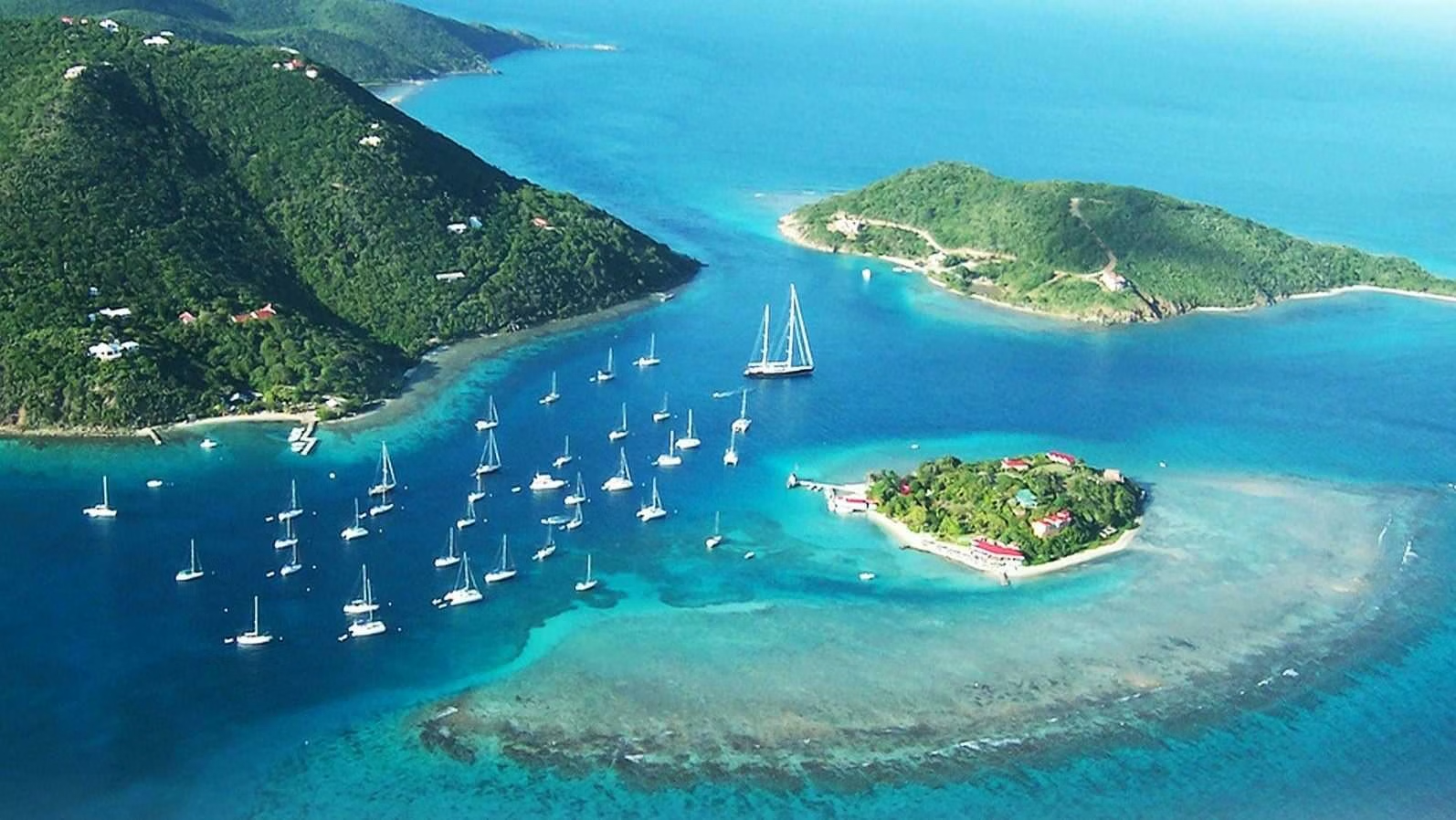
Day 3 – The Baths (Optional) → Marina Cay → Guana Island
8:00 AM – Sail Plan Meeting: Start the morning by reviewing conditions and planning the day’s route together. We’ll focus on practical cruising decisions and crew roles.
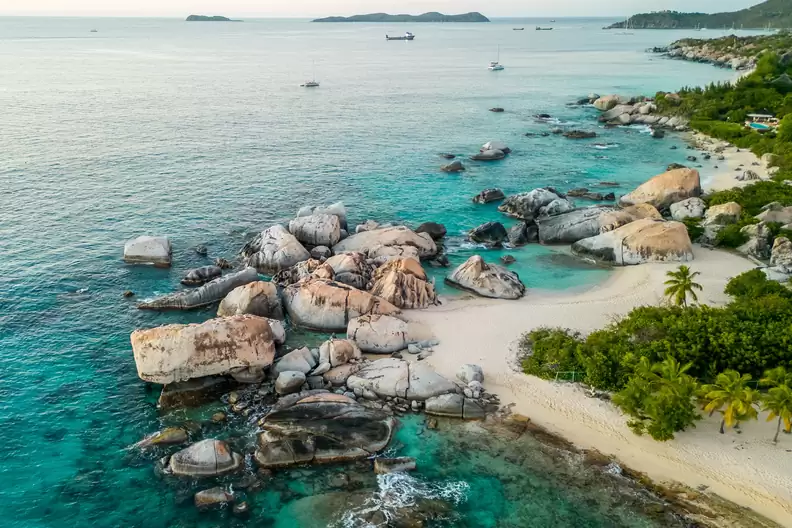
8:45 AM – Optional Visit to The Baths: Early risers can explore the iconic boulders, caves, and tidal pools at The Baths before the crowds arrive. Those who stay aboard can enjoy a relaxed morning on the boat.
Late Morning – Sail to Marina Cay: While underway, we’ll focus on sail trim, learning how small adjustments improve balance, speed, and overall comfort.
Midday – Lunch at Marina Cay (optional)
Early Afternoon – Passage Planning: Before heading to Guana Island, we’ll review charts, plan our route, and identify potential hazards. This reinforces navigation basics and visual awareness.
Late Afternoon – Sail to Guana Island
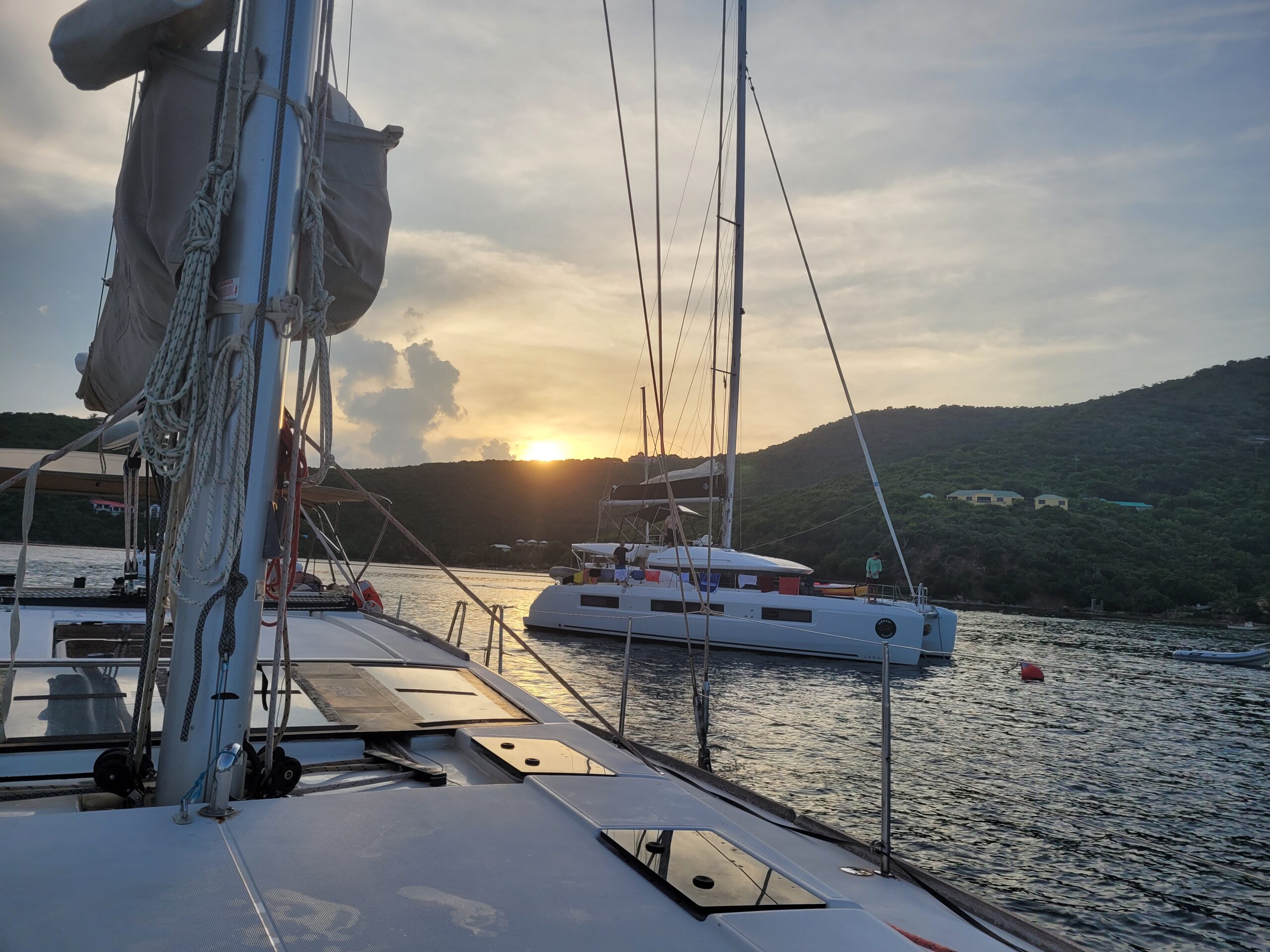
Evening – Guana Island: Anchor or pick up a mooring and enjoy a relaxed evening aboard, watching the sunset and reflecting on the day’s sailing experience.
Day 3 Skill Highlights:
-
Sail Trim Practice: Learn to adjust sails for better speed, balance, and control.
-
Navigation & Chart Reading: Identify safe passages, plan routes, and practice visual navigation.
-
Crew Communication: Continue practicing clear onboard communication and teamwork.
-
Optional Exploration: Experience boat-to-shore transitions safely while exploring The Baths.
Day 4 – Guana Island → Garner Bay / Optional Cane Garden Bay (via Sandy Cay)
8:00 AM – Sail Plan Meeting: We’ll begin with a crew meeting to review weather, currents, and routing options. Together, we’ll map out the day’s passage and assign crew roles, continuing to build confidence in real-world cruising decisions.
10:00 AM – Underway: After breakfast and final preparations, we’ll depart Guana Island and set sail for the day’s destination. As a group, we’ll decide whether to end the day at Garner Bay or continue on to Cane Garden Bay, keeping the plan flexible to match the crew’s pace and interests.
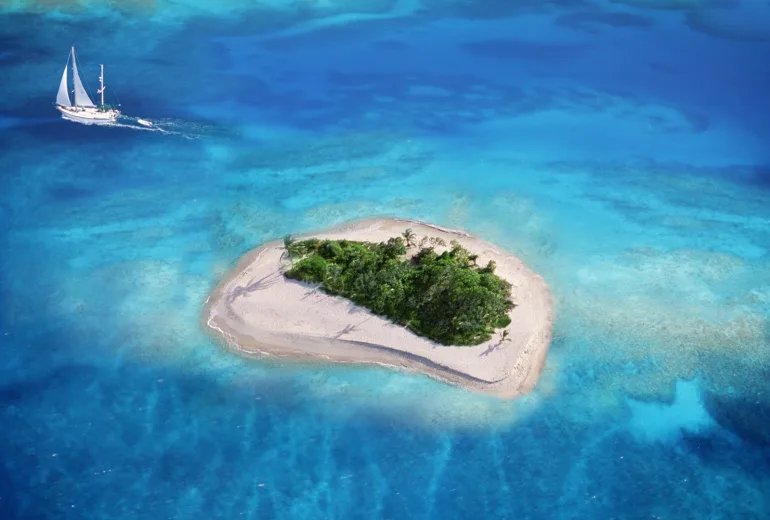
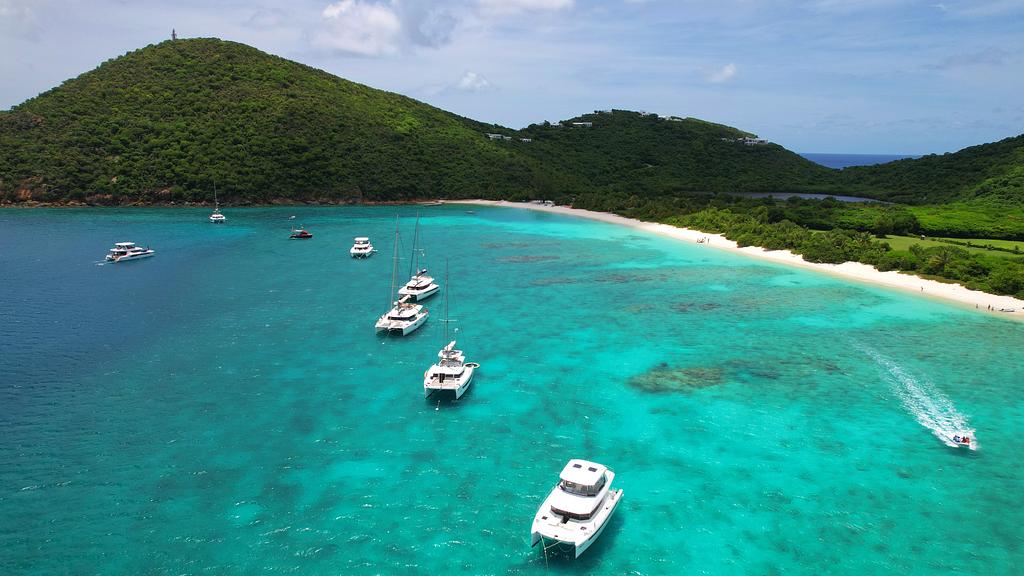
Midday – Passage & Anchor Practice at Sandy Cay: En route, we’ll stop at Sandy Cay for hands-on anchor practice. Each student will have the opportunity to approach, set, and weigh anchor, focusing on proper scope, positioning, and clear communication.
Afternoon – Sail to Our Chosen Bay: After practice, we’ll continue on to either Garner Bay or Cane Garden Bay. Upon arrival, we’ll settle into a mooring or anchorage and debrief the day’s lessons.
Evening – Relax & Reflect: Enjoy a relaxed evening aboard, take in sunset views, and reflect on the day’s sailing and boat-handling experience.
Day 4 Skill Highlights:
-
Sail Planning & Crew Roles: Collaborative route planning and onboard decision-making.
-
Sail Trim & Underway Awareness: Adjust sails for balance, comfort, and efficiency.
-
Anchoring Fundamentals: Practice safe approaches, setting anchor, checking scope, and weighing anchor.
-
Navigation Basics: Reinforce chart reading, hazard identification, and route selection.
-
Team Communication: Strengthen clear, calm communication during maneuvers.
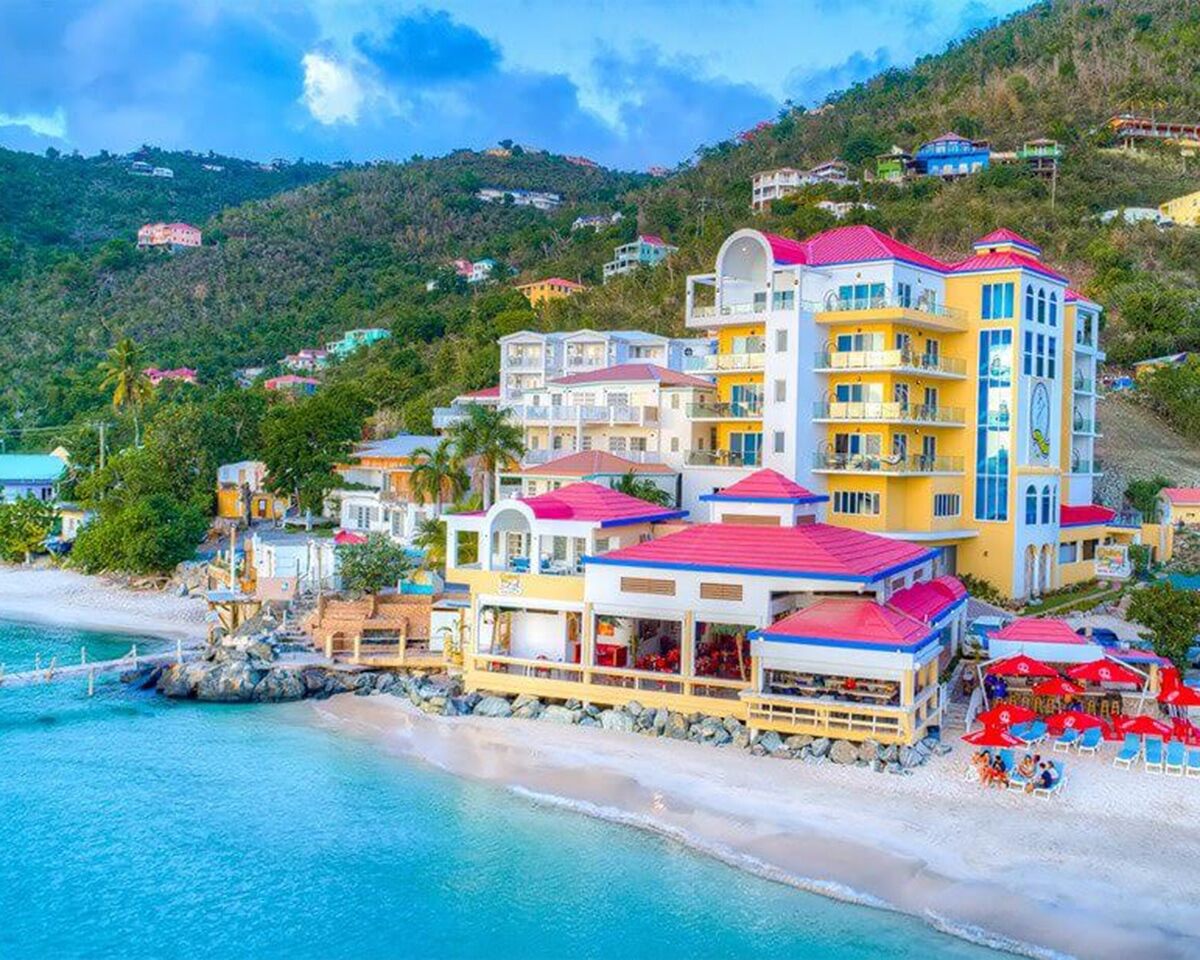
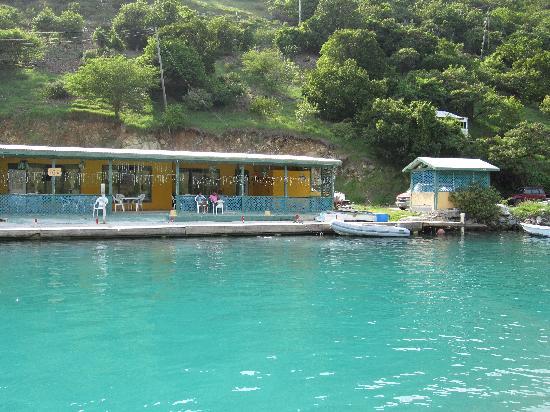
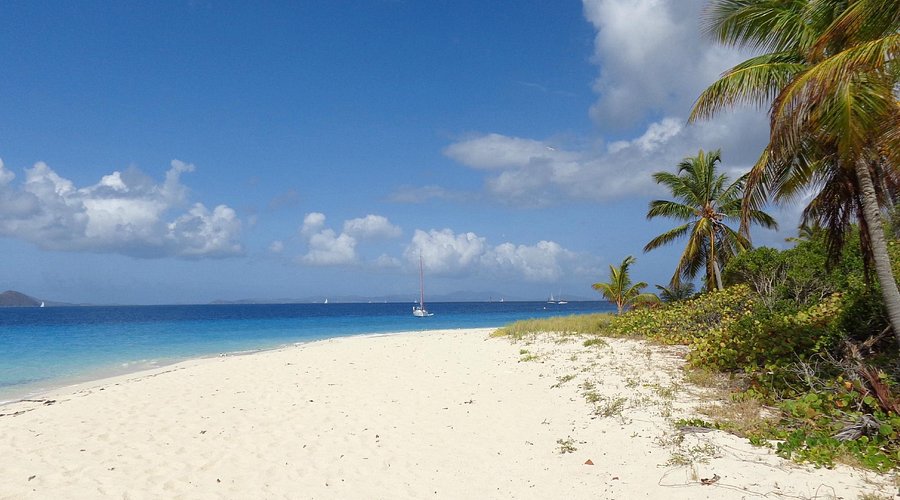
Day 5 – Cane Garden Bay / Garner Bay → Norman Island (Optional Stop: Soper’s Hole)
8:00 AM – Sail Plan Meeting: Start the morning by reviewing weather, currents, and route options. We’ll also consider our starting point—Cane Garden Bay or Garner Bay—and whether to include an optional stop at Soper’s Hole. Crew roles and passage strategy will be discussed to strengthen teamwork and decision-making.
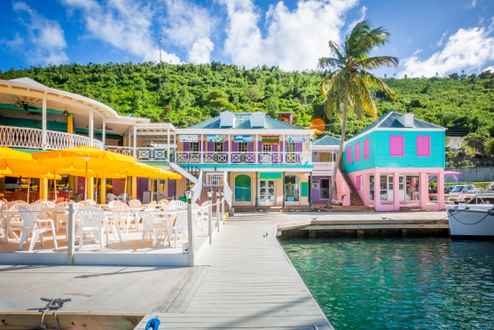
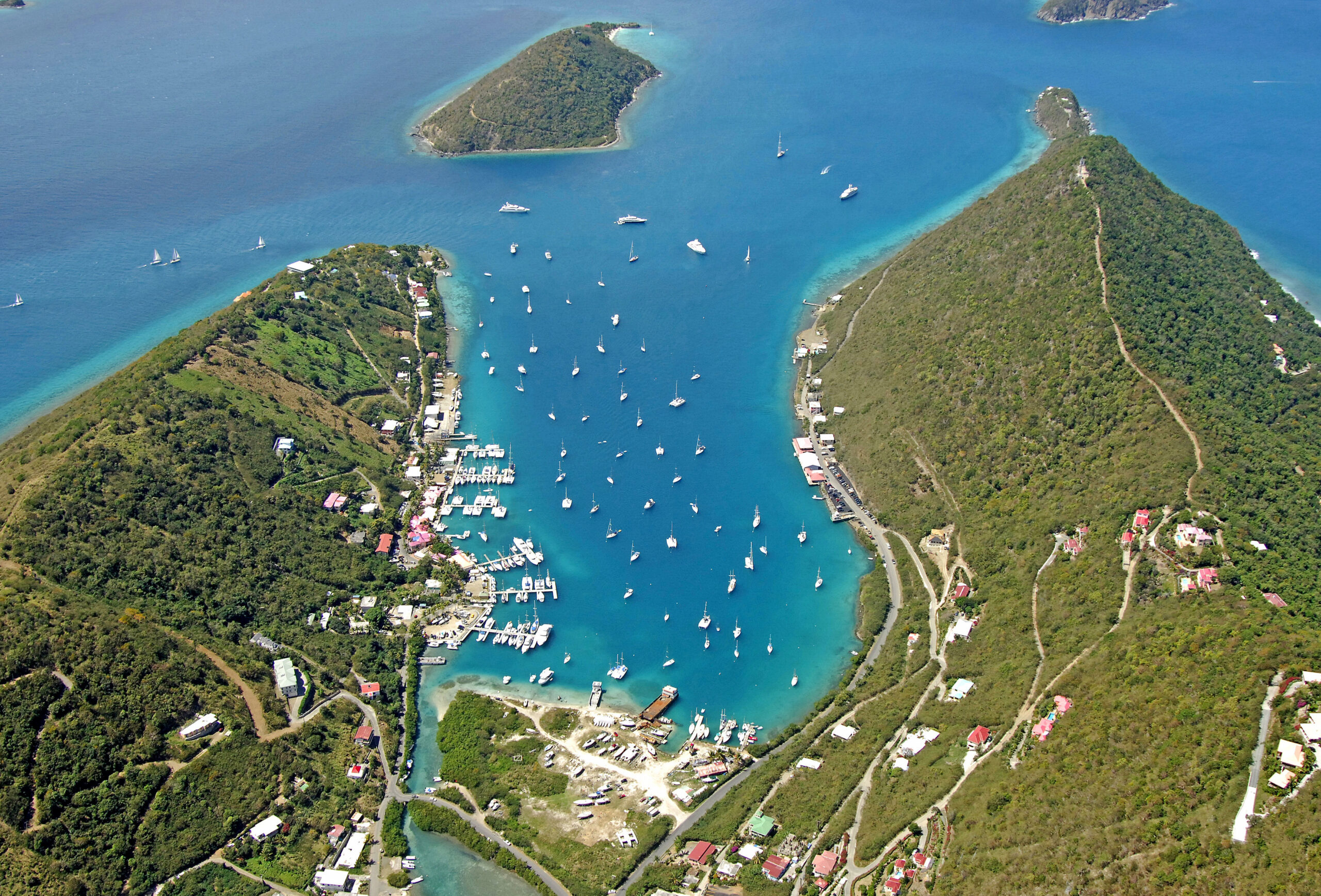
Underway: After breakfast and final preparations, we’ll depart for Norman Island. The crew can decide whether to sail straight there or make a stop at Soper’s Hole for lunch, shopping, and extra skill practice.
Midday – Optional Stop at Soper’s Hole: If we stop, students can practice handling the boat in tighter spaces, approaching a dock or mooring ball, and coordinating as a team in a small harbor environment.
Afternoon – Arrival at Norman Island: Continue to Kelly’s Cove on Norman Island. Pick up a mooring or anchor, reinforcing safe approaches, anchoring fundamentals, and situational awareness in a real-world setting.
Evening – Relax & Explore: Unwind aboard, enjoy the sunset, or explore Norman Island’s famous sights, including The Caves, while reflecting on the day’s sailing, navigation, and boat-handling experiences.
Day 5 Skill Highlights:
-
Sail Planning & Team Roles: Review conditions, plan passage, and assign crew responsibilities.
-
Boat Handling & Crew Coordination: Practice steering, sail trim, and working together during maneuvers.
-
Anchoring & Mooring Fundamentals: Safely approach a mooring or anchor in real-world conditions.
-
Navigation Awareness: Maintain situational awareness and identify safe routes.
-
Optional Harbor Practice: Gain experience maneuvering in a confined harbor at Soper’s Hole.
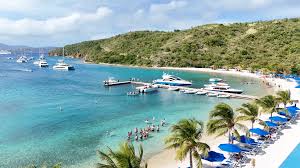

Day 6 – Norman Island → Peter Island / Cooper Island (Optional Early Stop: The Indians)
Optional Early Morning – The Indians (6:00 AM): If the group wants to snorkel at The Indians, we’ll move the boat early to secure a mooring ball. Enjoy a simple breakfast aboard and, if desired, a calm morning snorkel before the day’s sail.
8:00 AM – Sail Plan Meeting: Once on the mooring ball, we’ll review weather, tides, currents, and assign crew roles. Together, we’ll plan the passage to either Deadman Bay (Peter Island) or Manchioneel Bay (Cooper Island), reinforcing teamwork and real-world cruising decisions.
Underway: After breakfast, the sail plan meeting, and any early snorkeling, we’ll depart for the day’s passage across the Sir Francis Drake Channel.
Midday – Passage & Skill Practice: Focus on sail handling under varying wind conditions, adjusting sails for efficiency, balancing the boat, and coordinating maneuvers as a crew. This builds confidence in open-water sailing and teamwork.
Afternoon – Arrival at Chosen Bay: Arrive at either Deadman Bay or Manchioneel Bay, practice safe approaches to moorings or anchor, and review boat-handling fundamentals in a protected bay.
Evening – Relax & Explore: Unwind aboard, enjoy the sunset, or explore the bay’s surroundings while reflecting on the day’s sailing, navigation, and snorkeling experiences.
Day 6 Skill Highlights:
-
Sail Planning & Crew Roles: Review conditions, plan passage, and assign responsibilities.
-
Sail Handling & Teamwork: Adjust sails, balance the boat, and coordinate maneuvers in open water.
-
Anchoring & Mooring Fundamentals: Practice safe approaches, positioning, and situational awareness in a protected bay.
-
Optional Snorkeling & Exploration: Gain comfort moving between boat and shore while exploring marine environments.
-
Decision-Making in Real Conditions: Make route and stop choices based on weather, crew preference, and timing.
Final Day – Return to Base and/or Trellis Bay
8:00 AM – Sail Plan Meeting: Begin the morning with a final crew meeting to review weather, tides, and route options. The group will decide whether to return directly to base or stop at Trellis Bay, reinforcing real-world cruising planning and crew communication.
Underway: After breakfast and final preparations, we’ll depart for the chosen destination.
Midday – Passage & Skill Practice: During the passage, students will practice sail handling, adjusting trim for efficiency and comfort, and managing the boat as a crew in a real-world end-of-trip scenario. We’ll also review docking, mooring, or anchoring techniques in preparation for returning to base.
Arrival & Wrap-Up: Arrive at base or Trellis Bay, secure the boat, and conclude the sailing portion of the trip. Reflect on the week’s experiences, celebrate accomplishments, and enjoy a final moment on the water.
Final Day Skill Highlights:
-
Sail Handling & Crew Coordination: Practice teamwork while adjusting sails and managing the boat.
-
Route Planning & Decision-Making: Apply real-world cruising judgment to end-of-trip navigation.
-
Docking, Mooring & Anchoring Review: Reinforce techniques learned throughout the week.
-
Trip Reflection & Review: Discuss lessons learned, accomplishments, and key takeaways from the week.

Minimum Sailing Skills Required
To ensure this is a productive, confidence-building experience for everyone onboard, participants should arrive with a basic sailing foundation. This trip is designed to start where you are in your sailing journey and build from there.
NOTE: You do not need to be proficient in the list below, but understand the basics.
Ideal candidates should have a basic understanding of sailing, including:
-
Sail Handling: Hoisting, trimming, and lowering sails
-
Helm Control: Steering under sail and power
-
Essential Knots: Cleat hitch, bowline, and clove hitch
-
Safety Awareness: Basic person-overboard procedures
On this trip, we’ll practice these skills in real-world conditions, connecting the pieces to build confidence and strengthen your overall sailing ability.